Shopping Cart


Weight bags and sandbags for Functional Training, carries, cleans and strength endurance: at PRFRM you will find the Sveltus Sandbag, the Sveltus Hybrid Competition Sandbag and the Sveltus Strongbag, from light entry-level weights to heavy training.
Weight bags, also known as sandbags, are flexible training weights filled with sand or other material. Unlike rigid dumbbells or kettlebells, the weight shifts during the movement. This places extra demand on your deep muscles, core and grip strength, and improves stability, balance and coordination. As a result, training feels closer to everyday life: you lift, carry and throw a weight that is not perfectly balanced.
The most important points at a glance
| Model | Weights | Well suited to |
|---|---|---|
| Sveltus Sandbag | 5 to 25 kg | Beginners, technique, carries, squats and cleans |
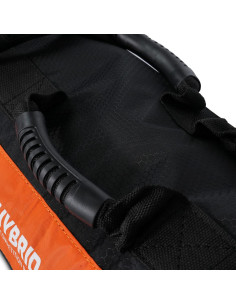
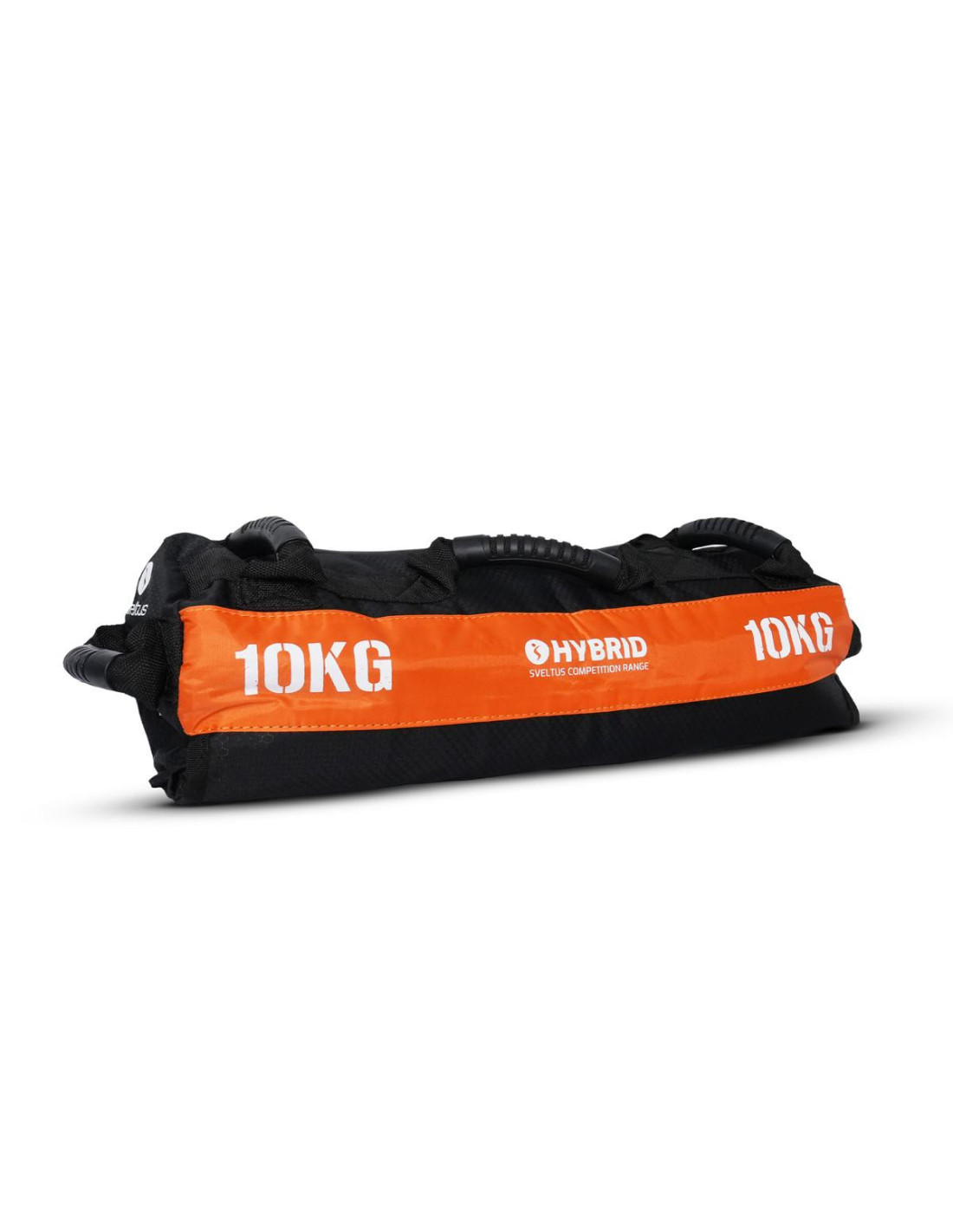
| Sveltus Hybrid Competition Sandbag | 10 to 40 kg | Functional fitness, competition training and conditioning |
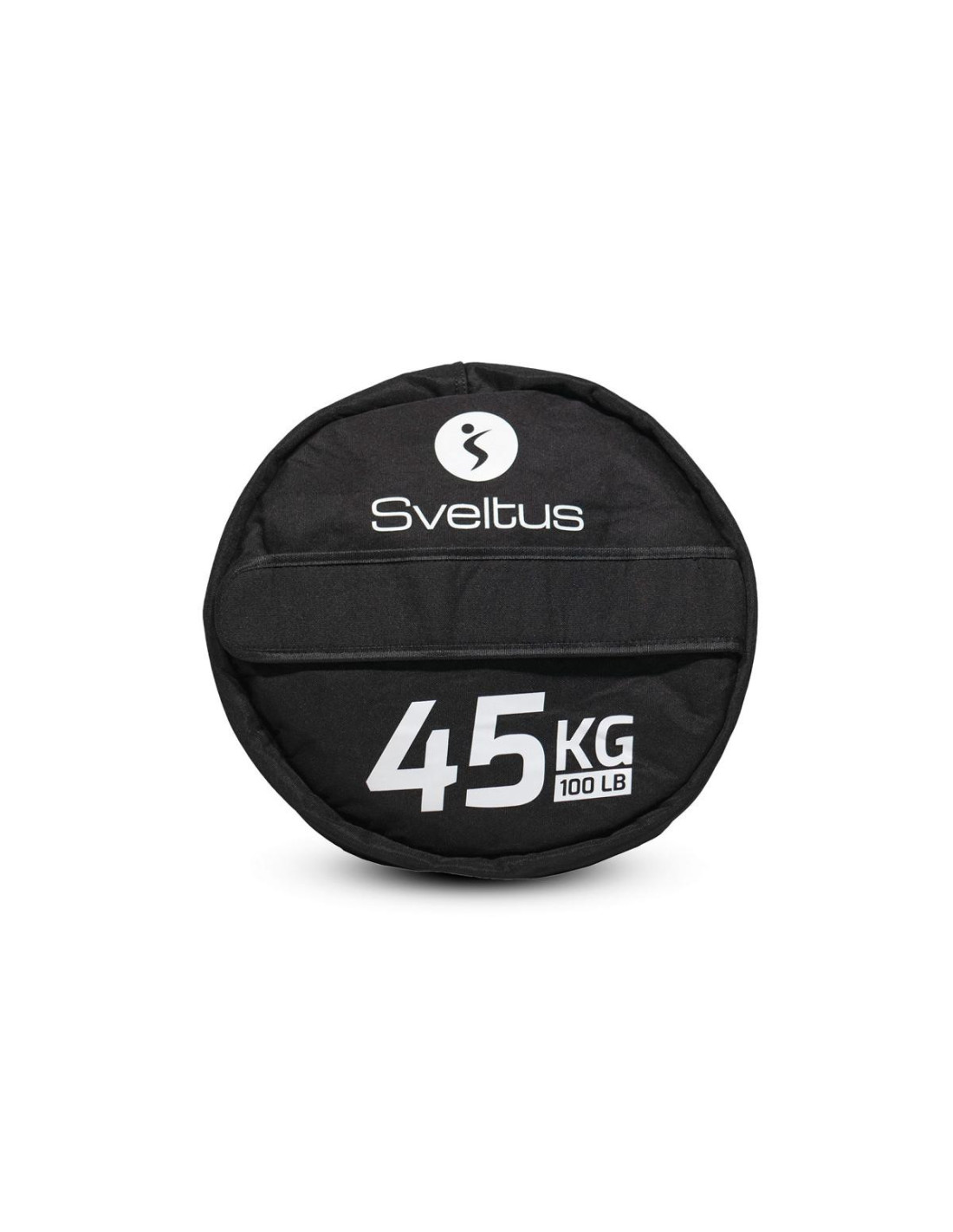
| Sveltus Strongbag | 45 to 90 kg | Heavy lifts, carries and strongman training |
You will see the exact weight steps on the respective product page.
Sand and filling material shift with every movement. Your body has to rebalance the weight constantly. This activates the deep core muscles and the stabilising muscles that are less challenged by rigid weights.
The bags do not have a fixed handle like a kettlebell. You grip the fabric or the handles, or bear hug the sandbag. This trains your forearms, back and core at the same time.
Sandbags are reminiscent of lifting and carrying objects in everyday life. That makes them well suited to building functional strength that you also need outside of training.
One sandbag replaces many pieces of equipment: you can use it to train squats, lunges, cleans, presses, throws and carries without needing much space.
| Exercise | Trains | Note |
|---|---|---|
| Bear hug squat | Legs, glutes, trunk | Hug the sandbag to your chest and squat down, staying upright |
| Clean and press | Full body, shoulders | Pull the sandbag to your shoulder, then press it overhead |
| Shouldering | Back, legs, shoulders | Lift the sandbag from the floor onto one shoulder |
| Loaded carry | Grip, core, back | Carry the sandbag in front of your chest or on your shoulder |
| Lunges | Legs, glutes, balance | Sandbag in front of your chest or on your shoulders |
| Bent-over row | Back, biceps | Pull the sandbag to your hip with both hands |
Start with a weight you can lift and carry with control, and increase it gradually. If you have any complaints or pre-existing conditions, talk to your doctor or trainer first.
| Level | Guideline | Focus |
|---|---|---|
| Beginner | 5 to 15 kg | Technique, carries, squats |
| Advanced | 15 to 30 kg | Cleans, shouldering, conditioning |
| Experienced and athletes | from 30 kg | Heavy lifts, strongman, competition |
At the same weight, sandbags feel heavier than dumbbells because the weight shifts. So choose something a little lighter until you have mastered the technique.
| Sandbag | Kettlebell | Dumbbell | |
|---|---|---|---|
| Weight | Shifts, unstable | Centre of mass outside the grip | Stable |
| Strengths | Carries, cleans, throws, core | Swings, snatches, conditioning | Muscle building, precise loading |
| Handle | Fabric or handles, challenges grip strength | Fixed grip | Fixed grip |
| Use | Functional and strongman | Strength and endurance | Strength and muscle building |
The tools complement each other well: Kettlebells for swings and snatches, Dumbbells for targeted muscle building, weighted balls for throws and explosiveness.
| Week | Sessions | Content |
|---|---|---|
| 1 | 2 per week | Bear hug squat, lunges, loaded carry: 3 sets, focus on technique |
| 2 | 2 to 3 per week | Same exercises, more repetitions, plus bent-over rows |
| 3 | 3 per week | Add clean and press, circuit with 40 seconds of work and 20 seconds rest |
| 4 | 3 per week | Increase the weight when your technique stays clean, carries over longer distances |
Schedule at least one rest day between sessions. The plan is an example and does not replace individual training advice.
| Goal | This helps |
|---|---|
| Functional strength | Cleans, shouldering and carries with medium to heavy weight |
| Conditioning and fat loss | Circuits and AMRAPs with short rests, combined with suitable nutrition |
| Core stability | Bear hug squats, carries and bent-over rows |
| Competition and functional fitness | Hybrid or competition sandbags in intervals alternating with cardio |
| Criterion | What to look out for |
|---|---|
| Weight steps | Choose a weight that lets you maintain clean technique, and plan for progression |
| Handles | Multiple handles make different exercises easier, such as carries, rows and cleans |
| Material and seams | Robust fabric and sturdy seams withstand the demands of training |
| Filling | Check how the weight is adjusted and whether the sandbag is delivered filled |
| Use | Larger models are suitable for heavy carries and lifts, lighter ones for beginners |
Sandbags suit any training. Suitable categories: Functional Training, Strength training and Endurance training. For recovery after intense sessions, we recommend Mobility & Regeneration.
What is a sandbag?
A sandbag is a weight bag filled with sand or other material. The weight shifts during the movement and challenges your core, grip strength and stability.
What weight is right for beginners?
For beginners, 5 to 15 kg is usually suitable. It is better to start lighter, because the weight in a sandbag feels unstable, and increase gradually.
What is the difference between a sandbag and a kettlebell?
A kettlebell has a fixed handle and a centre of mass outside the grip. In a sandbag, the weight shifts. This challenges stability and grip strength in a different way.
Which exercises can I do with a sandbag?
The best known include bear hug squats, cleans, shouldering, loaded carries and lunges.
Are sandbags suitable for a home gym?
Yes. They take up little space and, with many exercises, replace several pieces of equipment.
How often should I train with sandbags?
Two to three sessions per week, combined with strength and endurance training, are a good guideline.
How heavy can a sandbag get?
Depending on the model, there are light sandbags from 5 kg up to heavy Strongbags of up to 90 kg for strongman training. The exact weight options are listed on the respective product page.
How heavy should my first sandbag be?
For getting started, 5 to 15 kg is usually enough. The unstable weight feels heavier than a dumbbell of the same weight.
Can I build muscle with a sandbag?
Yes. With increasing weight, clean technique and enough recovery, the sandbag is also suitable for strength and muscle building, especially in full-body training.
Is training with a sandbag different from training with dumbbells?
Yes. Because the weight shifts, your core works harder and the movements are less controllable. Many people therefore combine both.