Shopping Cart

- -20%
Out-of-Stock






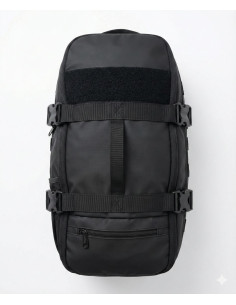

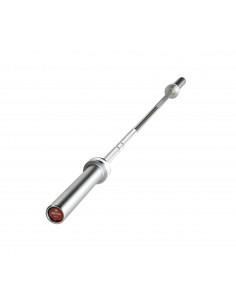
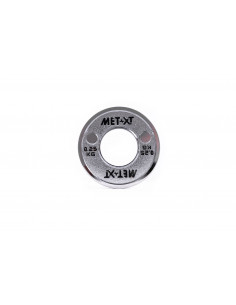
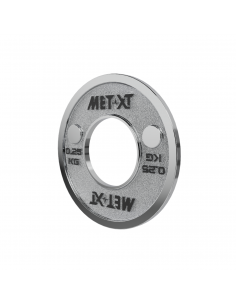




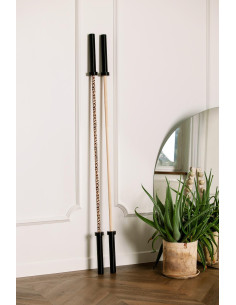
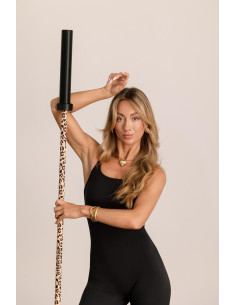
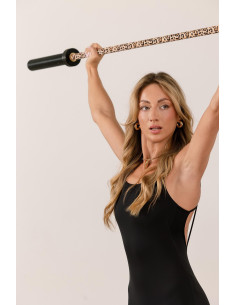
In our Strength training category you will find everything for effective training with free weights: robust barbells, weight benches, weight plates, racks and helpful accessories, designed for ambitious athletes, powerlifters and fitness enthusiasts. Whether you are building your home gym or training in the garage: our products stand for functionality, safety and durability.
Strength training is one of the most effective methods for building muscle, gaining body strength and improving stability. Targeted training with free weights or dumbbells strengthens muscles, raises calorie burn and loads the bones, which can support bone density. Regular strength training also helps with posture and can prevent injuries. Our selection covers beginner setups as well as professional equipment, easily combined and individually expandable.
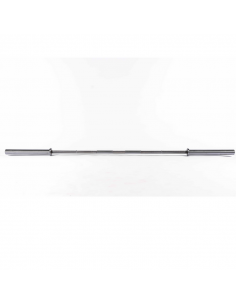
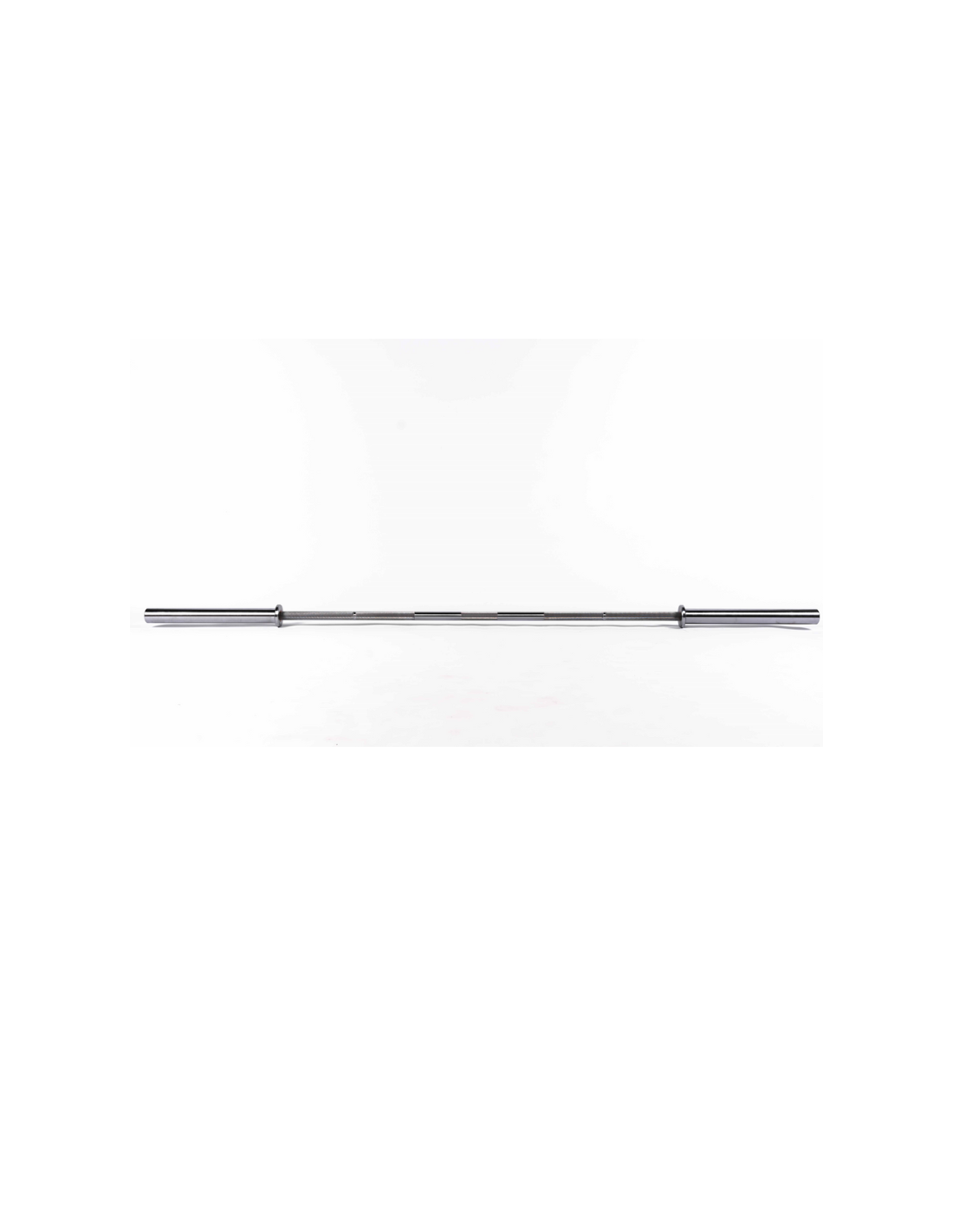 Powerlifting Bar 2.2 m, 20 kg
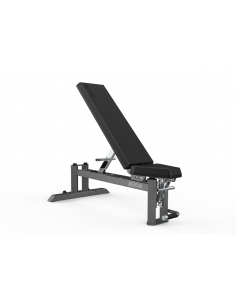
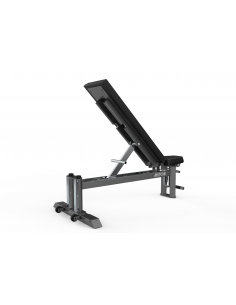
 Adjustable Bench 2.0 weight bench
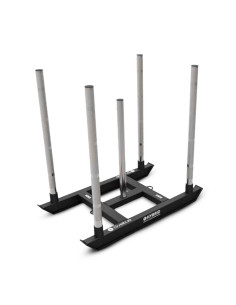
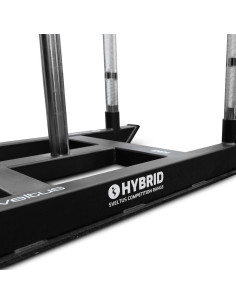
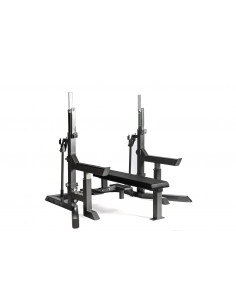
 Powerlifting Competition Rack
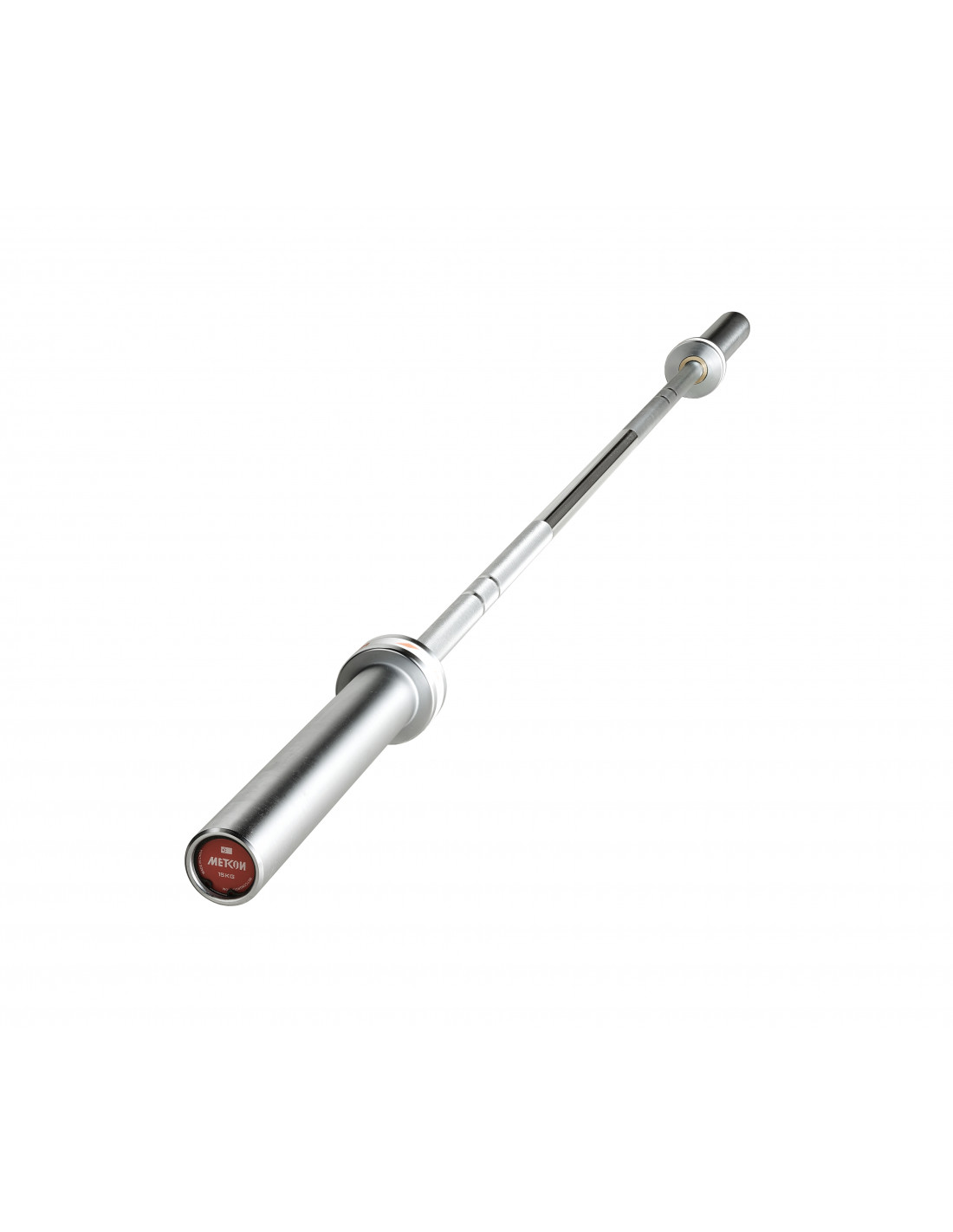 Oly Weightlifting Barbell 25 mm silver
The most important points at a glance
Straight to the categories
Strength training strengthens muscles, bones, tendons and ligaments, improves posture, raises energy expenditure and can help with fat loss. You benefit not only in sport but also in everyday life: when lifting, carrying, climbing stairs and in old age. Anyone who builds strength stays more resilient and more mobile.
The barbell is the heart of strength training for squats, deadlifts, bench press and shoulder press. The choice includes the Oly Weightlifting Barbell (25 mm, 2 m, 15 kg), the Metcon Olympic Barbell, the Powerlifting Bar (2.2 m, 20 kg) and the Steelstorm Studio Barbell. Pay attention to length, weight and intended use.
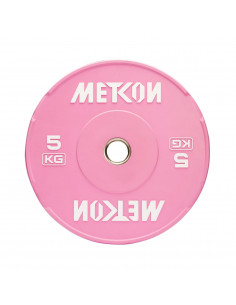
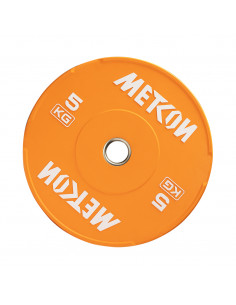
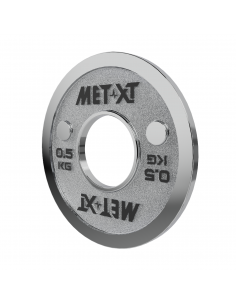
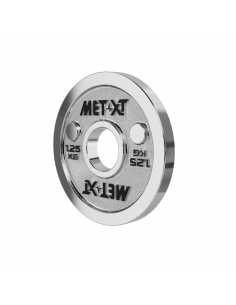
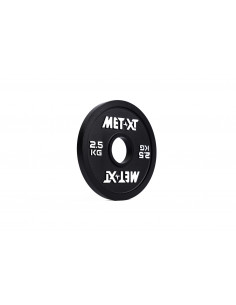
With weight plates you adjust the weight to your progress. The coloured Metcon plates are available as a set of 2, for example the Sakura weight plate 5 kg. For small weight steps the Calibrated Steel Plates in 0.25 to 2.5 kg are suitable. That way you keep progressing even when big jumps become too much.
A bench extends your training with bench press, incline variations, one-arm rows and step-ups. The Flat Bench 2.0 is the stable basis, and the Adjustable Bench 2.0 offers adjustable angles for more exercise variety.
A rack gives you safety on heavy sets and makes squats and bench press plannable even when training alone. The Powerlifting Competition Rack is intended for ambitious powerlifters.
Dumbbells and kettlebells complement the barbell ideally: they train one side at a time, reveal imbalances and bring variety. You will find more in our Functional Training category.
Helpful extras include Cheater Grips for a better hold, an Assault Fitness shaker for your protein after training and a stable base from our Flooring range, which protects floor and equipment.
Start with a barbell, a few weight plates and a flat bench. Learn the basic exercises first with light weights and pay attention to clean technique. Two full-body sessions a week are a good start.
With an adjustable bench, fine weight steps and a rack you can differentiate training plans, run split routines and progress deliberately.
If you train for performance, you rely on robust competition equipment such as the Powerlifting Bar and the Competition Rack and plan training blocks with clear goals for maximum strength or muscle building.
If you have pre-existing conditions or are unsure, seek advice from a doctor or trainer first.
| Exercise | Muscles trained | Equipment |
|---|---|---|
| Squat | Legs, glutes, trunk | Barbell, rack, dumbbells |
| Deadlift | Back, glutes, hamstrings | Barbell, weight plates |
| Bench press | Chest, shoulders, triceps | Barbell or dumbbells, weight bench |
| Rows | Upper back, biceps | Barbell or dumbbells |
| Overhead press | Shoulders, triceps, trunk | Barbell, dumbbells, kettlebell |
| Day | Exercises |
|---|---|
| Day 1 | Squat, bench press, rows: 3 sets of 8 to 12 repetitions each |
| Day 2 | Deadlift, shoulder press, pull-up or lat pulldown: 3 sets each |
| Day 3 | Repeat day 1 with slightly higher weight |
Train three times a week with at least one rest day in between. If you manage all repetitions cleanly, increase the weight in small steps.
| Component | Used for | |
|---|---|---|
| Barbell and plates | Basis for squat, deadlift, pressing | Barbells & Plates |
| Rack | Safe unracking and racking of the bar | Metcon |
| Weight bench | Bench press, rows, dumbbell exercises | Weight benches |
| Dumbbells | Isolation and variation | Dumbbells |
| All-in-one trainer | Space-saving, many exercises on one machine | Force USA |
Muscles grow during rest: sleep, enough protein and enough energy are part of the plan. For mobility and recovery you will find matching tools under Mobility & Regeneration.
| Goal | This suits you |
|---|---|
| Building muscle at home | Dumbbells, weight bench and barbell with plates |
| Maximum strength and powerlifting | Barbell, rack and Metcon equipment |
| Training in a space-saving way | Force USA all-in-one trainer |
| Athleticism and full body | Kettlebells and Functional Training tools |
| Day | Focus | Examples |
|---|---|---|
| Push | Chest, shoulders, triceps | Bench press, shoulder press, dips |
| Pull | Back, biceps | Rows, pull-ups, curls |
| Legs | Legs, glutes | Squat, deadlift, lunges |
Train each group once or twice a week and make sure you recover enough between sessions.
What is strength training anyway?
Strength training means training muscles deliberately against resistance, for example with dumbbells, machines or your own body weight. The aim is muscle building, strength gains and better body stability.
Why does strength training make sense?
Strength training strengthens muscles, bones, tendons and ligaments, improves posture, raises metabolism and can help with fat loss.
How often per week should I do strength training?
That depends on your goal and fitness level. 2 to 3 sessions a week are ideal for many people, with at least 48 hours of rest between loading the same muscle group.
How long does an effective session take?
Effective strength training sessions usually last between 45 and 60 minutes. Quality counts more than quantity.
What do I need for a home gym for strength training?
To start with, a barbell with weight plates, a bench and collars are enough. A rack increases safety on heavy sets. Add dumbbells, kettlebells and suitable floor protection later.
How do I increase the weight correctly?
Increase the weight only when you manage all repetitions cleanly. Small weight steps, for example with Calibrated Steel Plates, help you keep making progress without losing technique.
How often should I do strength training?
To start with, two to three sessions a week are a good framework. Rest days in between are important.
How many repetitions do I need for muscle building?
For muscle building many people work in the range of 8 to 12 repetitions per set, for maximum strength rather fewer, for strength endurance more. What matters is a demanding but clean set.
Do I need a rack?
For heavy squats and bench press a rack is the safest solution. For dumbbell and kettlebell training you can manage without.
How quickly will I see progress?
Strength often rises in the first weeks, while visible muscle building usually takes several weeks to months. Consistency and patience pay off.