Shopping Cart
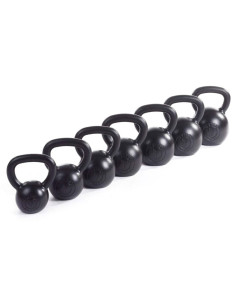
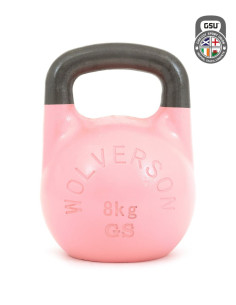
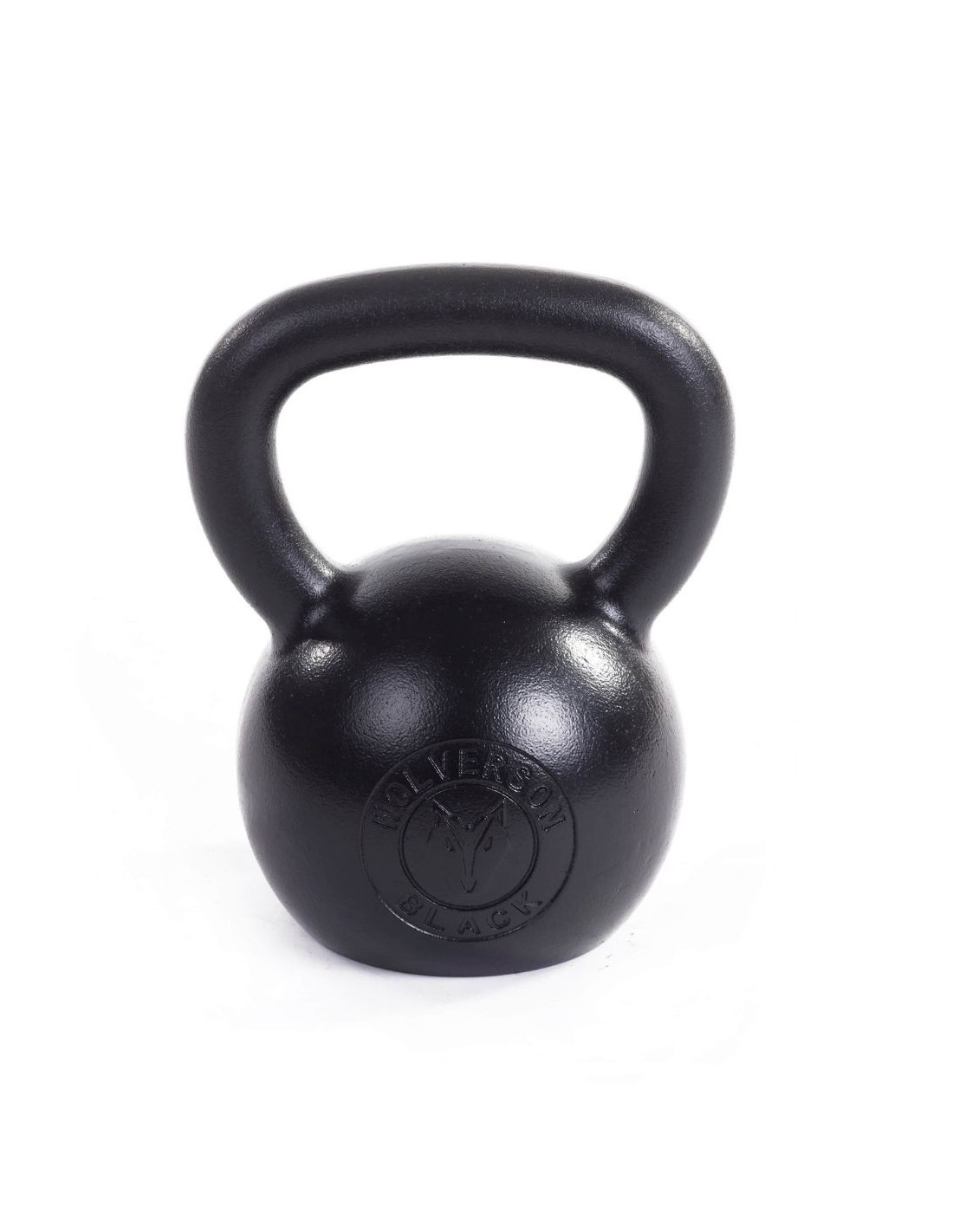
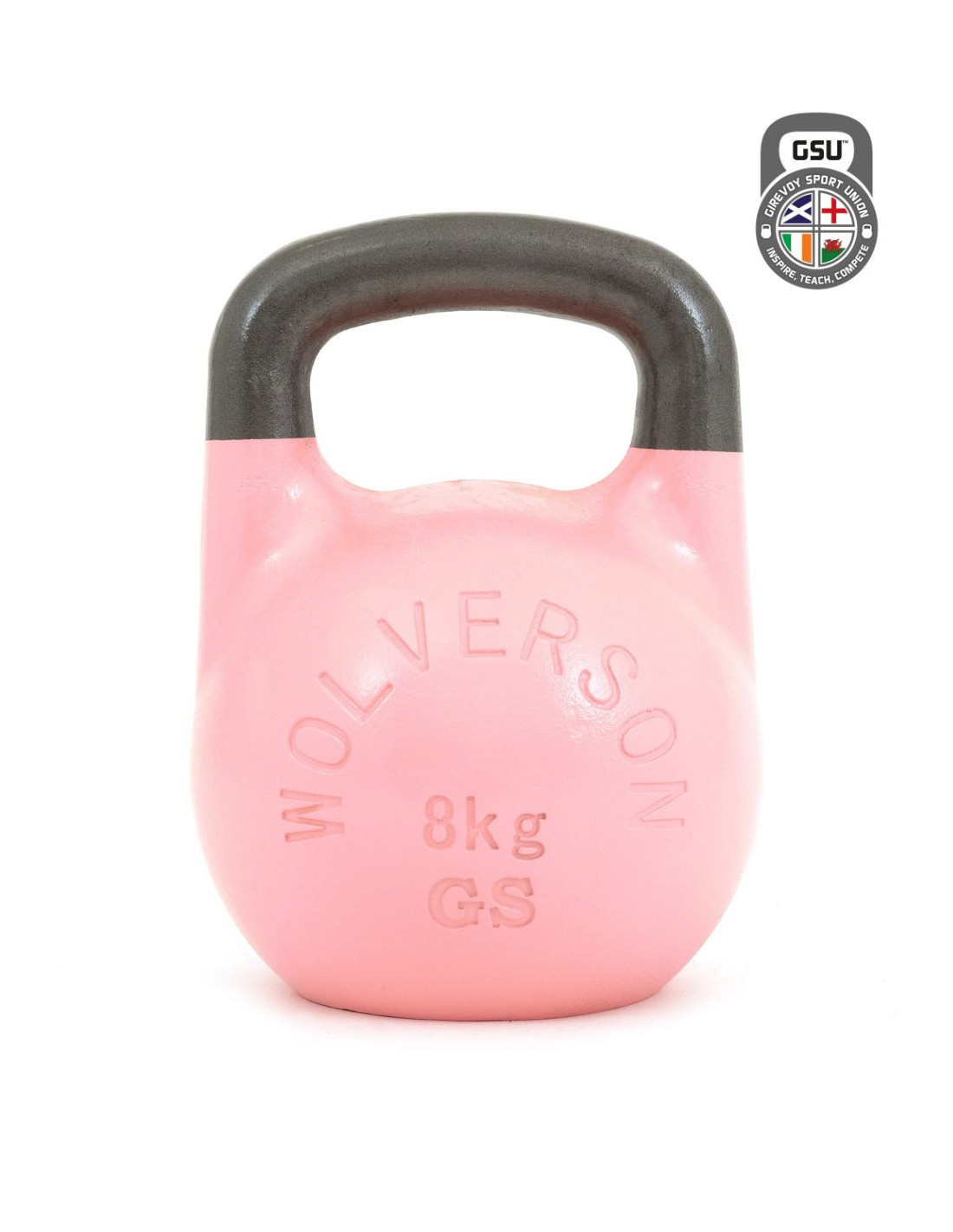
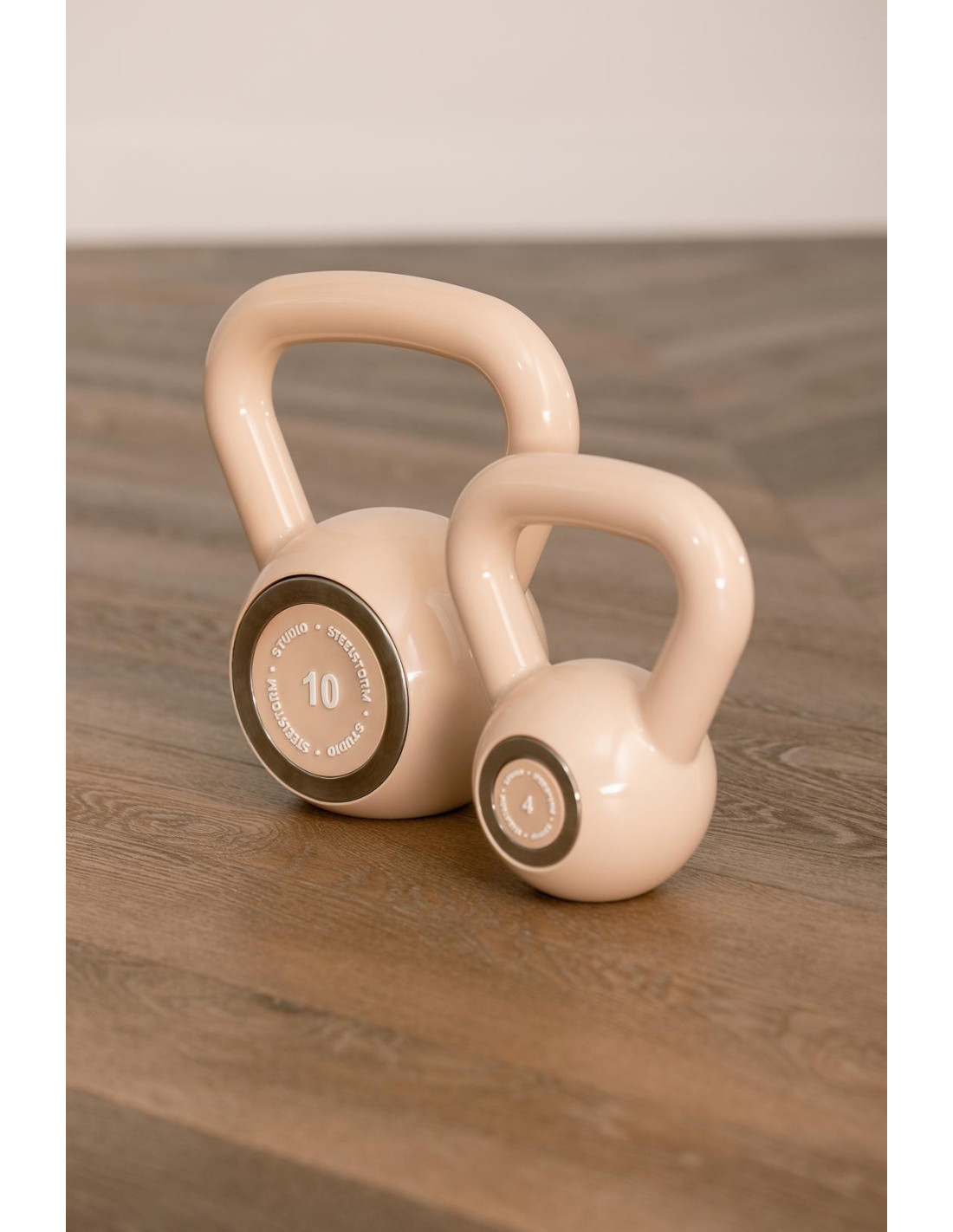
Kettlebells for strength, functional and conditioning training: at PRFRM you will find the Black Series, the GSU Kettlebell and the Steelstorm Studio Kettlebell in many weight steps, from getting started to demanding training.
Kettlebells are an indispensable part of modern strength and functional training. They combine strength building, endurance and mobility in one piece of equipment and suit beginners as well as experienced athletes. Whether at home, in the studio or in competitive sport: with kettlebells you train efficiently, with variety and functionally.
The most important points at a glance
With kettlebells several muscle groups work at the same time, and your body is loaded as a unit. The strength you build transfers directly to sport and everyday life.
Strength, endurance and coordination in one session: especially when time is short, kettlebells are one of the most efficient pieces of training equipment there are.
Many exercises demand clean technique. That improves not only your strength but also body control, stability and mobility.
One or two kettlebells are enough for a complete full-body workout. That makes them ideal for home gyms, small studios and minimalist training.
| Model | Weights | Well suited to |
|---|---|---|
| Black Series Kettlebell | 6 to 32 kg | Strength and functional training, wide choice of weight steps |
| GSU Kettlebell | 10 to 32 kg | Classic kettlebell training with a focus on heavier weights |
| Steelstorm Studio Kettlebell | 4 to 16 kg | Getting started, technique work, mobility and light training at home |
You will see the exact weight steps on the respective product page.
| Level | Guideline | Focus |
|---|---|---|
| Beginner | 8 to 16 kg | Learning technique, controlled movement, swing and goblet squat |
| Advanced | 16 to 24 kg | Cleans, presses, snatches and conditioning |
| Experienced and athletes | from 24 kg | Heavy sets, complexes, competition preparation |
The values are guidelines: your fitness level, the exercise and your technique are what count. For swings the kettlebell can be heavier than for overhead exercises. Many people therefore combine two to three weights.
Start with a lighter weight and pay attention to clean technique. If you have any complaints or pre-existing conditions, talk to your doctor or trainer first.
The kettlebell is a weight with a handle that originally comes from Russia. The centre of gravity lies outside the handle. That is exactly what makes it special: the weight swings, you have to control it, and your core, shoulders and glutes work on every repetition. That is why a kettlebell trains strength, endurance and coordination at the same time.
| Kettlebell | Dumbbell | |
|---|---|---|
| Focus | Outside the handle, the weight swings | In the hand, the weight sits stable |
| Strengths | Swings, cleans, snatches, carries, conditioning | Isolation and muscle building, precise dosing |
| Training goal | Strength, endurance and athleticism in one workout | Targeted strength and muscle building |
| Space required | Very low | Low to medium, depending on weight steps |
| Getting started | Technique first, then increase the weight | Easier to learn |
The two complement each other: kettlebells for dynamic full-body movements, dumbbells for targeted muscle building.
In the Turkish get-up you stand up from lying on your back with the kettlebell overhead and then lie back down. The exercise trains shoulder stability, core and mobility. Learn the sequence first without weight or with a light weight before you increase.
| Week | Sessions | Content |
|---|---|---|
| 1 | 2 per week | Goblet squat, swing with light weight, rows: 3 sets, focus on technique |
| 2 | 2 to 3 per week | Same exercises, more repetitions, plus farmer carry |
| 3 | 3 per week | Swings in intervals, goblet squat and press, 3 to 4 sets |
| 4 | 3 per week | Combine exercises into short circuits and increase the weight when your technique stays clean |
Take at least one rest day between sessions. The plan is an example and does not replace individual training advice.
| Goal | This helps |
|---|---|
| Fat loss | Swings, cleans and circuits with short rests: high energy expenditure in a short time, combined with a suitable diet |
| Muscle building | Goblet squats, presses and rows with heavier weight and slower tempo |
| Endurance | Swings and snatches in intervals, EMOM and AMRAP |
| Mobility and stability | Turkish get-ups, halos and carries |
| Competition kettlebell | Cast kettlebell | |
|---|---|---|
| Size | Uniform at every weight | Grows with the weight |
| Benefit | Same movement patterns at every weight | Widespread, versatile in classic training |
| Ideal for | Competition, snatches, technique | General strength and functional training |
| You are | This suits you |
|---|---|
| Beginner | A light to medium weight, for example from the Steelstorm Studio Kettlebell with weights from 4 to 16 kg |
| Advanced, focus on strength and functional training | Medium to heavy weights from the Black Series (6 to 32 kg) |
| Advanced, focus on classic kettlebell training | The GSU Kettlebell (10 to 32 kg) |
| Training for the whole family or mixed levels | Two to three weights, so that every exercise gets the right weight |
If you are unsure, choose a slightly lighter weight. You learn the technique cleanly and can increase at any time later.
| Criterion | What to look out for |
|---|---|
| Handle | Smooth and easy to grip: it should also sit securely in your hand when sweaty |
| Weight steps | A wide choice allows you to build up your training step by step |
| Base | A flat underside ensures a secure stand and protects the floor |
| Finish | A clean surface and a stable cast withstand even hard training |
| Place of use | For home gyms space requirements count, in the studio the choice of weights |
You train most effectively with kettlebells in combination with other free weights and functional equipment. You will find matching complements in the Functional Training, Strength training and Power bands categories. For recovery after intense sessions we recommend Mobility & Regeneration.
Which kettlebell is suitable for beginners?
Weights between 8 and 16 kg are generally suitable for beginners. What matters is not only the weight but above all clean execution. A controlled start ensures long-term progress and reduces the risk of injury.
What is the difference between competition and cast kettlebells?
Competition kettlebells have a uniform size regardless of weight, so the movement patterns stay the same. Cast kettlebells grow with the weight and are widespread in classic training.
Are kettlebells suitable for the home gym?
Yes, they are among the best options for training at home. They need little space and offer a very versatile range of training.
Which exercises can I do with kettlebells?
The best known include swings, goblet squats, cleans, snatches, presses and Turkish get-ups. They cover almost all important movement patterns.
How often should I train with kettlebells?
To start with, two to three sessions a week with rest days in between are enough. As you gain experience you can increase volume and weight.
How do I combine kettlebells sensibly?
The most effective approach is to combine them with other free weights or functional equipment. That lets you expand your training and set different focuses deliberately.
How heavy should my first kettlebell be?
For beginners, weights of 8 to 16 kg are a typical start. If you have little strength training experience, start lighter. With two weights you are flexible, for example a lighter one for overhead exercises and a heavier one for swings.
How long does a kettlebell workout take?
An effective workout lasts 15 to 30 minutes. With short rests and full-body exercises you reach high intensity even in a short time.
Can I lose weight with kettlebells?
Kettlebell training can use a lot of energy, especially swings and circuits. For weight loss, consistency and a suitable diet count.
Are kettlebells dangerous for the back?
Not with clean technique and a suitable weight. The movement comes from the hips and the back stays neutral. If you are unsure, learn the basic exercises with a trainer. If you have back problems, talk to your doctor first.