Shopping Cart


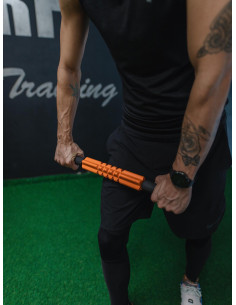
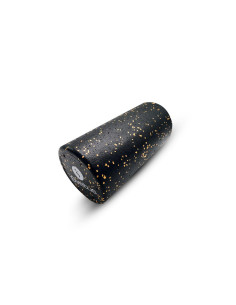
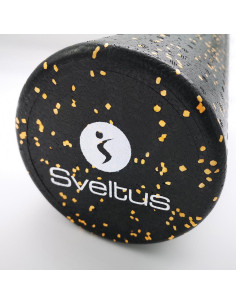


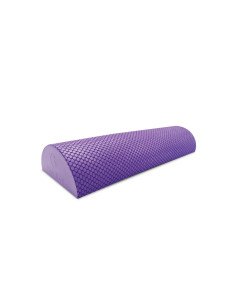






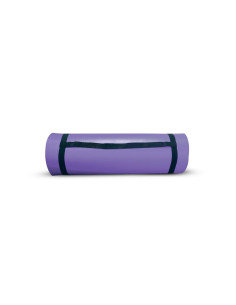
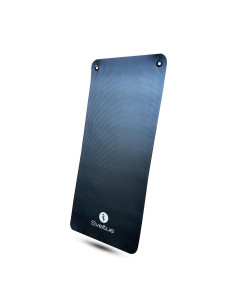

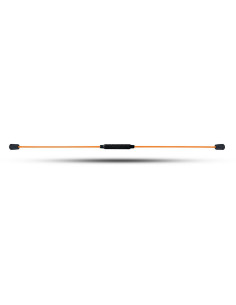
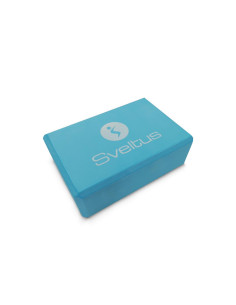
Foam rollers, massage tools, Pilates accessories, mats and bands for mobility and recovery: at PRFRM you will find tools from Steelstorm Studio and Sveltus with which you release tension, stay mobile and recover better after training.
A balanced training routine includes not only strength and endurance but also targeted mobility and regeneration. With foam rollers, massage tools and bands you release muscle tension, improve your flexibility and prevent overuse. Anyone who regularly puts the body under heavy load in particular benefits from a fixed mobility routine.
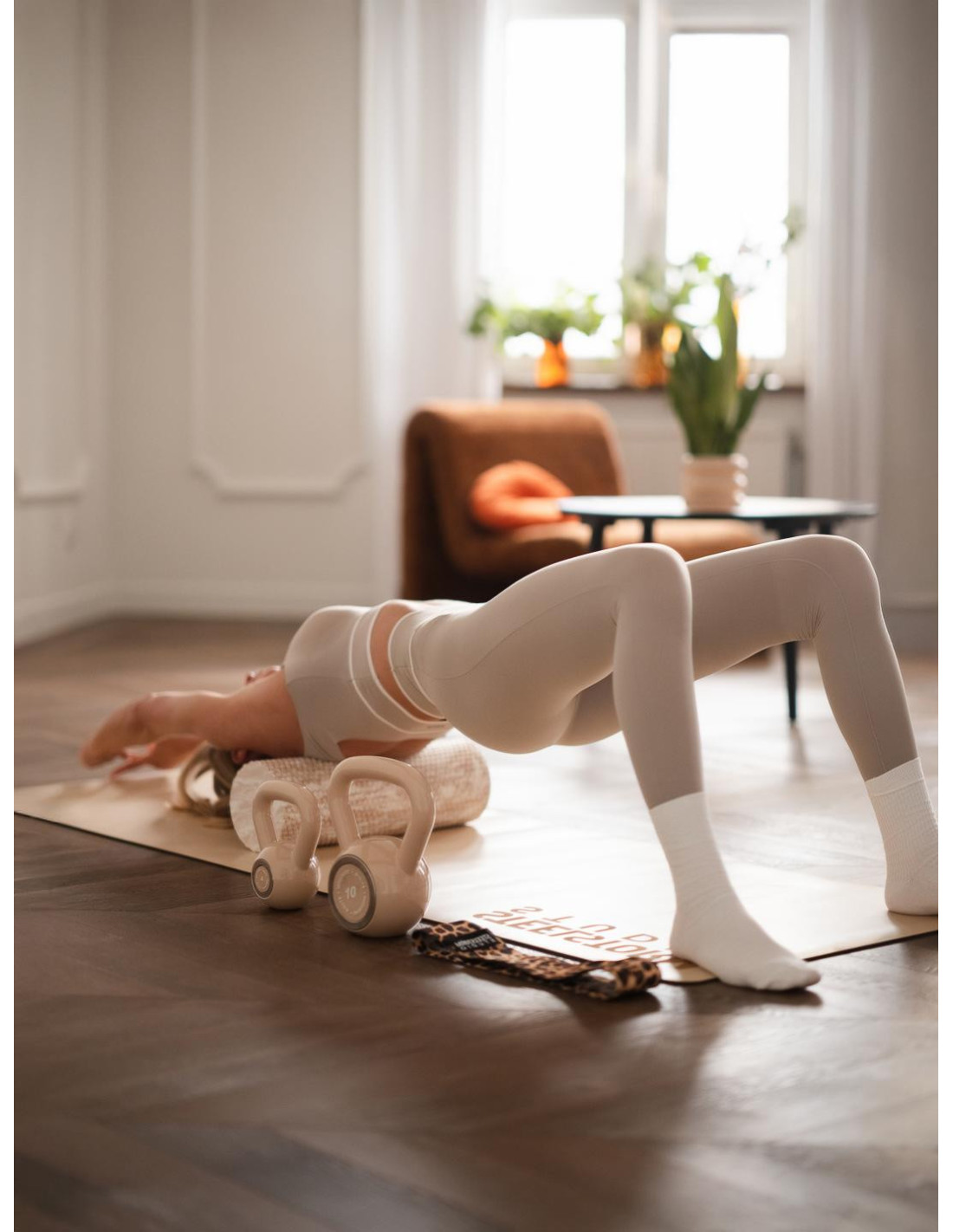 Steelstorm Studio Foam Roller
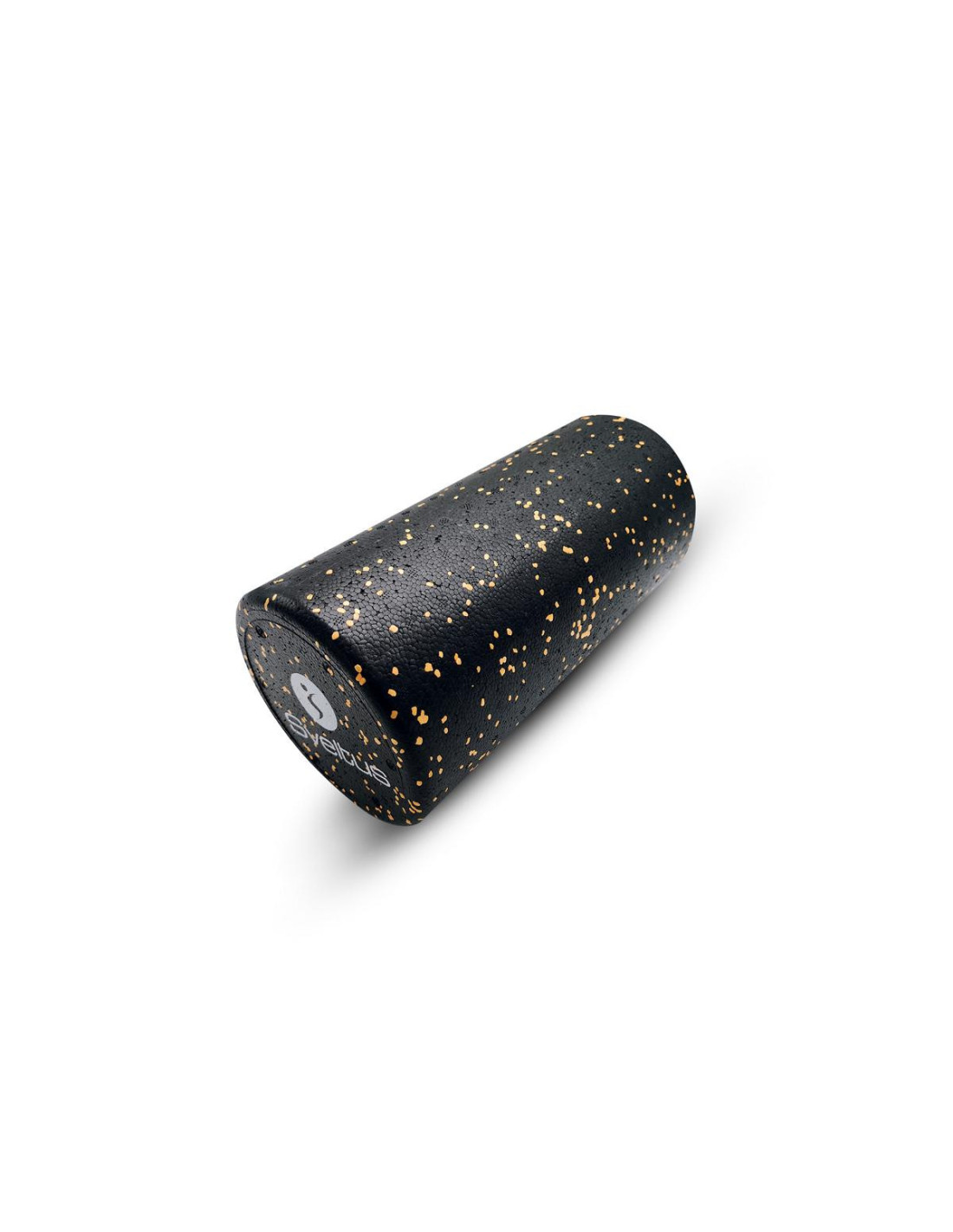 Sveltus Smooth Massage Roller
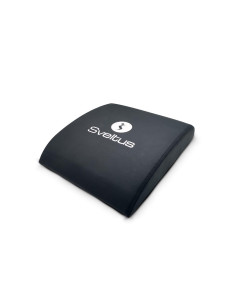
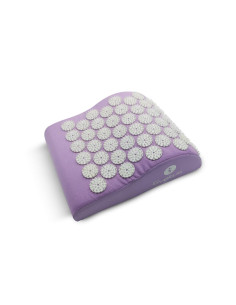
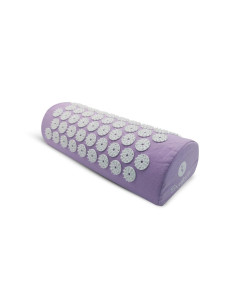
 Sveltus Acupressure Cushion
 Sveltus Pilates Roller
The most important points at a glance
Foam rollers release tension in the back, thighs and calves. A selection: the Steelstorm Studio Foam Roller, the Sveltus Smooth Massage Roller and the Sveltus Massage Bar for targeted areas.
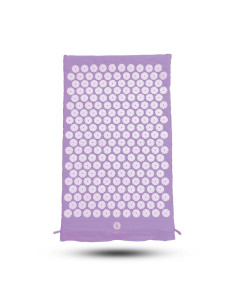
Acupressure tools such as the Sveltus Acupressure Mat and the Sveltus Acupressure Pillow are ideal for relaxing after training or in the evening.
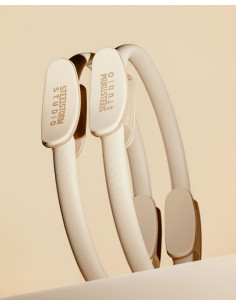
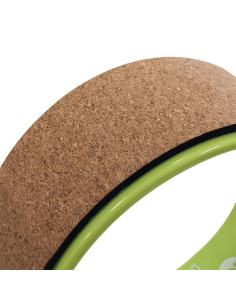
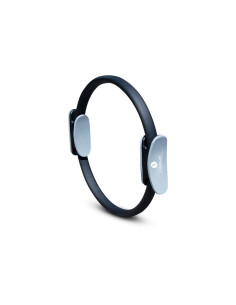
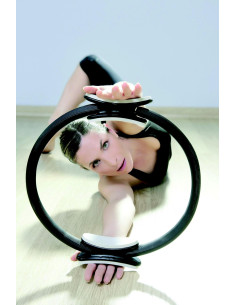
For Pilates and yoga you will find the Sveltus Pilates Roller, the Pilates Half Foam Roller, the Pilates Ring, the Cork Yoga Wheel and the Steelstorm Studio Yoga Ring. Find out more in our Yoga category.
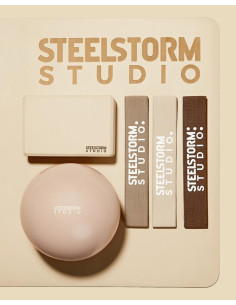
With the Mini Band Set you activate your hips and glutes, while the Sveltus Flex bar trains the shoulder, forearm and wrist. There is more choice in Power bands.
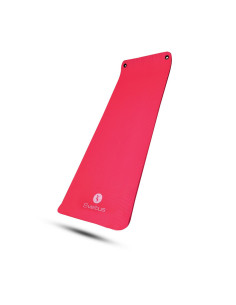
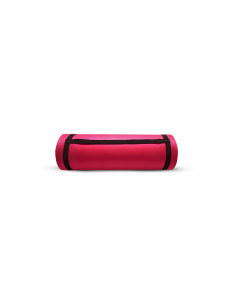
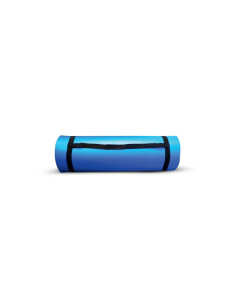
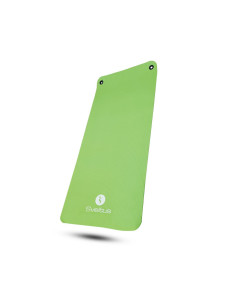
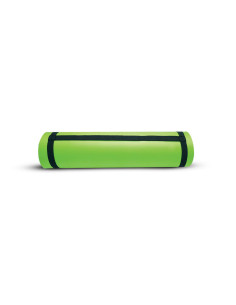
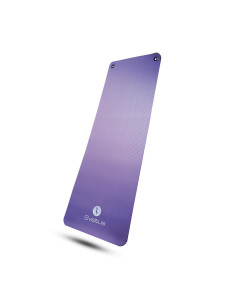
A mat such as the Sveltus Training Mat is ideal for stretching, core exercises and regeneration on the floor.
| Mobility | Regeneration | |
|---|---|---|
| Goal | Improve the range of motion of the joints | Support recovery after training |
| Timing | Before training or as a separate session | After training or on rest days |
| Tools | Bands, ring, block, Flex Bar | Foam roller, massage tools, acupressure |
| Duration | 5 to 15 minutes | 10 to 20 minutes |
Roll slowly and with controlled pressure, avoiding joints and the spine. Stop if you feel pain. If you have any complaints or pre-existing conditions, talk to your doctor or therapist first.
| Criterion | What to look out for |
|---|---|
| Firmness of the foam roller | Beginners start with soft to medium firmness, firmer rollers and massage bars are for the experienced |
| Size | Long rollers for the back and legs, small tools for targeted areas and on the go |
| Material | Non-slip, shape-retaining surfaces last for years and are easy to care for |
| Place of use | On the go, weight and packed size matter; at home you can use larger tools |
Mobility and regeneration complement every workout. Suitable categories: Functional Training, Strength training and Yoga.
| Area | Exercise | Duration |
|---|---|---|
| Hips | Deep lunge with rotation | 5 to 8 repetitions per side |
| Hips | 90/90 Hip Switch | 8 to 10 switches |
| Thoracic spine | Quadruped rotation | 8 to 10 repetitions per side |
| Shoulder | Band pull-apart or shoulder circles with band | 12 to 15 repetitions |
| Ankle | Knee-to-wall stretch | 8 to 10 repetitions per side |
| Back | Cat-cow | 8 to 10 slow repetitions |
If you sit a lot, you benefit from short movement breaks. Even two to three minutes per hour make a difference.
| Foam roller | Stretching | |
|---|---|---|
| Effect | Releases tension, stimulates circulation | Lengthens muscles, improves range of motion |
| Timing | Before or after training | After training or as a separate session |
| Duration | 30 to 60 seconds per muscle group | 20 to 40 seconds per stretch |
| Equipment | Roller, massage bar, ball | Mat, band, block |
The two complement each other: rolling first, then stretching, is a good order for many people.
| Goal | Tool |
|---|---|
| Release the back, thighs and calves | Foam Roller or massage roller |
| Targeted pressure points, shoulders, neck | Massage Bar and acupressure pillow |
| Activate and stabilise the hips | Mini Band Set |
| Improve stretching and posture | Yoga Ring, Pilates Roller or Cork Yoga Wheel |
| Strengthen the shoulder and forearm | Sveltus Flex bar |
| Day | Content | Duration |
|---|---|---|
| Monday | Mobilise hips and thoracic spine | 10 minutes |
| Wednesday | Foam rolling after training | 10 to 15 minutes |
| Friday | Mobility flow with band and mat | 15 minutes |
| Sunday | Relaxation with stretching and breathing | 15 to 20 minutes |
The plan is an example. Adapt it to your training and schedule a little more regeneration on intense days.
Mobility complements Strength training, Endurance training and Yoga. If you stay regularly flexible, you train more cleanly and cope better with higher loads.
When should I use the foam roller?
Before training for activation, after training for regeneration or on rest days. Roll slowly and with controlled pressure, 30 to 60 seconds per muscle group.
How often should I train mobility?
To get started, 5 to 10 minutes per day or two to three short sessions per week are enough. Regularity beats duration.
Does fascia training help against tension?
Foam rollers and massage tools can help release tension and improve flexibility. If you have persistent pain, you should see a doctor or therapist.
Which foam roller is the right one?
Beginners start with soft to medium firmness. If you want more intensity, choose firmer rollers or the Massage Bar for targeted areas.
Do I need accessories for mobility?
Not necessarily: a mat is enough to start with. Roller, bands, block and ring expand your options and make exercises more accessible.
Can I combine mobility with strength training?
Yes. Mobility before training prepares joints and muscles, and regeneration afterwards supports recovery. This keeps you flexible and performing well in the long term.
How long should a mobility session last?
Five to 15 minutes are enough for everyday life. Regularity is more important than duration.
Is stretching before training worthwhile?
Before training, dynamic movements and mobilisation are more suitable than long static stretching. Static stretching is better suited to afterwards.
How often can I use the foam roller?
Many people use it after training or on rest days. Make sure the pressure is comfortable, and if it hurts, reduce it or take a break.
Does mobility help against tension from office work?
Short movement breaks and mobilisation can help prevent tension. If you have persistent complaints, talk to a doctor or therapist.